
Enterprise system integration: SAP, ERP, CRM and APIs
Your systems already exist; we make them talk. SAP, Oracle, Salesforce, your custom CRM, that legacy AS/400 — we connect them all under one operational truth. ISO 9001 certified integration process.
Free, with a senior consultant. The plan is yours even if you don't hire us.
When systems don't talk
Each system works on its own, but your team pays the price of stitching them together by hand.
- Manual reconciliations between systems
- Duplicate data that never matches
- Information siloed by department
- Systems the original vendor no longer supports

One operational truth
We apply the ISO 9001 certified FSG methodology to every integration: first we understand how information flows, then we connect and validate it.
System and data mapping
We identify which system owns each piece of data and how it should flow across teams.
Integration design
APIs, syncs, and transformation rules based on what each system supports: REST, GraphQL, SOAP, or custom connectors.
Staged build and validation
Every integration ships with a test plan and validation records before it goes live.
Operation and follow-up
We monitor integrations in production and provide ongoing follow-up.
What is enterprise system integration?
It's connecting two or more systems so they share data and processes without re-entry: the order placed in the CRM reaches the ERP, the invoice is stamped automatically and inventory updates everywhere. Done right, every piece of data has one system of record and flows to the others under clear rules.
Enterprise integrations we build most often
- ERP with CFDI 4.0 e-invoicing and complements (Mexico)
- ERP with CRM, e-commerce and payment gateways
- Access control and time tracking with payroll and HR
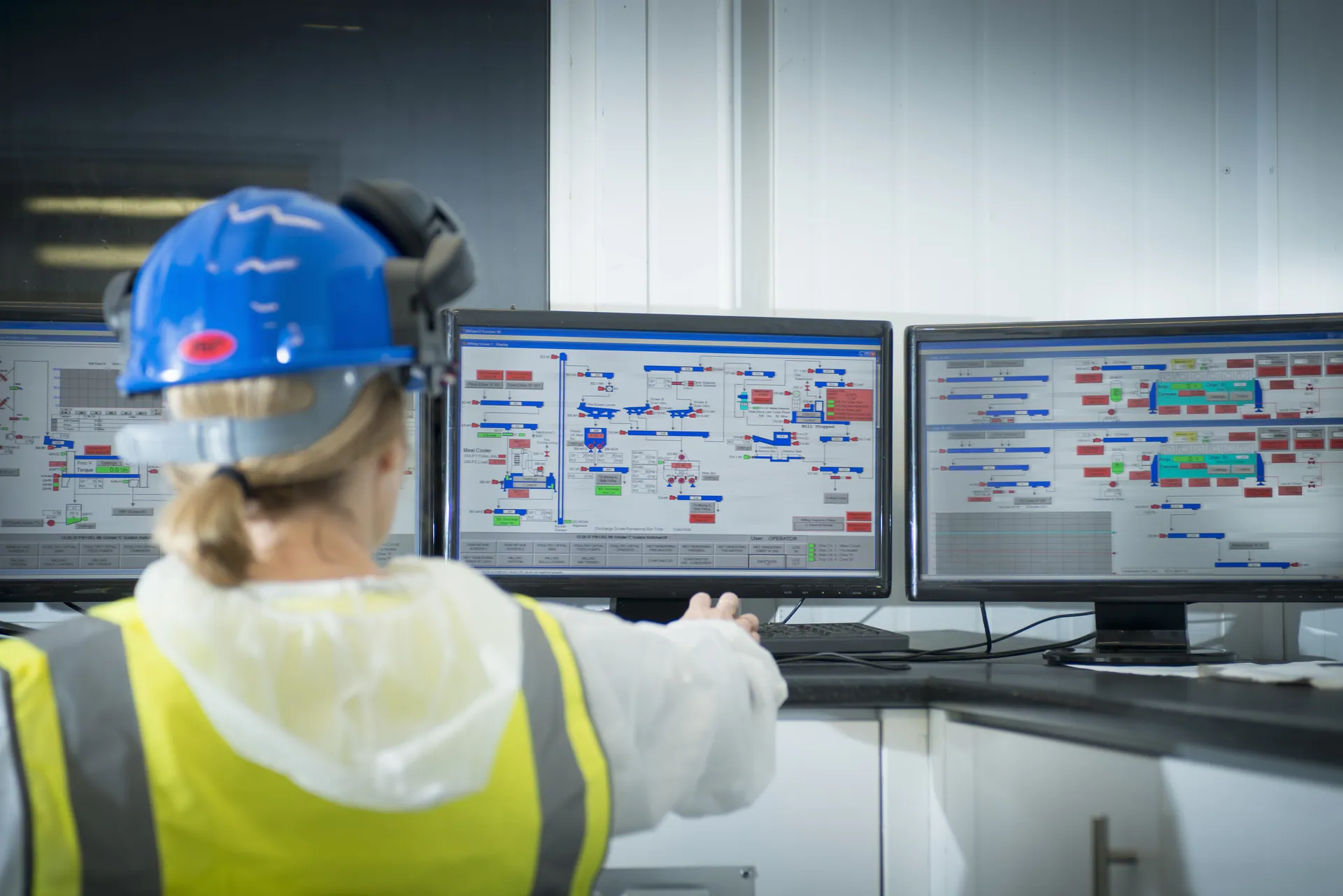
- Sensors, machines and plant systems with MES and ERP
- Government systems in Mexico: SAT (tax authority), Aduana (Customs) and IMSS (social security)
- Legacy systems with no API, through their database or files
- Multiple companies or tax IDs (RFC) consolidated into a single flow
Custom integration vs. integration platform (iPaaS)
An integration platform (iPaaS) makes sense when systems have standard connectors and the rules are simple. When there are company-specific business rules, systems without an API or Mexican tax requirements, a custom integration is usually more stable and doesn't add a monthly license for every connection. During the assessment we recommend the option that fits, even if it isn't the one we build.
How we keep integrations from breaking
- A log of every data exchange, with automatic retries
- Alerts when a sync fails, before your team notices
- A validated test plan before going to production
- Production monitoring and an optional support plan with the same team
ERPs
We sync catalogs, orders, inventory and accounting between your ERP and the processes it doesn't cover.
CRMs
We connect customers, opportunities and sales activity with your operational systems.
Government & tax (Mexico)
Electronic invoicing and Mexican tax compliance built into your operation.
Payments
Online payments automatically reconciled with your system.
Cloud
Deployment, storage and managed services on the cloud of your choice.
Communications
Automated notifications and messaging triggered by your processes.
IoT & devices
We integrate readers, access control devices and plant equipment with your software.
Legacy systems
We connect existing systems without replacing them all at once, so you can modernize in stages.











Typical example: US HQ ERP + Mexican maquila under IMMEX
We connect a US headquarters ERP (SAP or Oracle) with a Mexican manufacturing operation under the IMMEX program, so both sides work from the same data.
Stack and technologies
What we DON'T do
- We don't charge recurring licenses for the integrations we build
- We don't put an integration into production without a validated test plan
Related guides




Frequently asked questions
Updated
Why Four Sides Group
ISO 9001:2015 certified process
Pay only after validating each stage.
Source code 100% yours
No recurring licenses, no vendor lock-in.
Enterprise architecture from day one
Public/private environments and server management included.
A system running since 2011
Our oldest system has run without interruption since December 2011: 14 years in continuous production.
Related services
See all
Enterprise software built around your real processes — not the other way around.

The team that built your system keeps it running, with contractual response times and monthly updates.

Remove manual, repetitive, error-prone work with workflows and business rules.